
Lab Guide
Bariatric Vitamin Deficiencies: What to Watch For After Weight Loss Surgery

By David Gans, gastric bypass patient covering all WLS multivitamins
Bariatric surgery can be life changing, but it also changes how your body absorbs and uses key nutrients. That is true after gastric bypass, gastric sleeve, and mini bypass procedures, although the risk is usually highest after bypass operations because more of the digestive tract is altered. Research shows that long term vitamin D deficiency is especially common after bariatric surgery at 35.8%, while vitamin B12 deficiency has been reported at 8.5% in long term follow up meta analysis.
The Four Most Common Deficiencies After WLS
Iron, vitamin B12, vitamin D, and calcium. All four are preventable with the right supplements and detectable with regular blood testing. None of them cause obvious symptoms in the early stages.
I am David Gans, and after losing 231 lbs following gastric bypass in January 2024, I started tracking bariatric vitamins and lab guidance every week for this site. The big mistake I see people make is waiting for symptoms. By the time you feel exhausted, dizzy, weak, numb, or foggy, a vitamin deficiency may already be affecting your health. ASMBS guidelines are clear that long term screening and routine supplementation are part of bariatric care, not an optional extra.
Why vitamin deficiencies happen after bariatric surgery
Vitamin deficiencies happen after bariatric surgery because you eat less, absorb less, or both, depending on the operation.
Iron Deficiency
Signs: fatigue, pale skin, brittle nails, hair loss
Test: ferritin
Timing: develops within 1-2 years without supplementation
B12 Deficiency
Signs: tingling, memory problems, fatigue
Test: serum B12
Risk: permanent nerve damage if untreated
Vitamin D Deficiency
Signs: fatigue, bone pain, muscle weakness
Test: 25(OH)D
Risk: bone loss over years
Calcium Deficiency
Signs: muscle cramps, dental problems (late stage)
Test: DEXA scan for bone density
Risk: osteoporosis
After a gastric sleeve, intake drops sharply and tolerance for certain foods can change, especially early on. After gastric bypass and mini bypass, intake is lower and absorption is also reduced because food no longer passes through the full stomach and upper small intestine in the same way. That matters for iron, vitamin B12, calcium, vitamin D, folate, copper, and fat soluble vitamins.
This is why a general over the counter multivitamin is often not enough for bariatric patients. Bariatric formulas are built around higher risk nutrients, especially iron, B12, folate, vitamin D, and trace minerals. If you want to compare options, start with the bariatric vitamin comparison page.
Comparing bariatric multivitamins? See all 15 options ranked by price →
The deficiencies to watch for most closely
The most important deficiencies to watch after weight loss surgery are vitamin D, iron, vitamin B12, folate, calcium related bone markers, and in some cases vitamins A, copper, and zinc.
Vitamin D is one of the biggest problem areas. A 2024 meta analysis found long term vitamin D deficiency in 35.8% of bariatric patients. ASMBS also notes that vitamin D deficiency has been reported in up to 100% of post weight loss surgery patients in some cohorts, which is why vitamin D and calcium labs are routine.
Vitamin B12 deserves close attention too. That same long term meta analysis found B12 deficiency in 8.5% of patients. B12 can become an issue after both gastric sleeve and gastric bypass, but bypass patients are usually at higher risk because intrinsic factor exposure and normal digestion are more disrupted. Symptoms can include fatigue, tingling, numbness, balance problems, brain fog, and anemia.
Iron is the one I would never treat lightly. Reviews show postoperative iron deficiency ranges from 18% to 53% after Roux en Y gastric bypass and from 1% to 54% after sleeve gastrectomy, which tells you two things. First, the problem is common. Second, risk depends heavily on the procedure, the patient, and supplement adherence.
Mini bypass, also called one anastomosis gastric bypass, needs the same serious mindset. Recent reviews conclude that bypass patients need broad deficiency assessment over time and that multivitamin supplementation is essential after OAGB as well.
Which labs to track after surgery
The key labs to track are ferritin and a full iron panel, vitamin B12, methylmalonic acid when needed, folate, 25 OH vitamin D, calcium related markers, and a CBC.
ASMBS gives useful target ranges that help you spot a problem before it becomes a crisis. For vitamin D, the guideline target is a 25 OH vitamin D level above 30 ng/mL. For iron, ASMBS lists ferritin reference ranges of 12 to 300 ng/mL in males and 12 to 150 ng/mL in females, while also noting that stage 1 iron depletion starts when ferritin drops below 20 ng/mL. For vitamin B12, ASMBS lists 200 to 1000 pg/mL as the general serum range, with deficiency below 200 pg/mL and suboptimal levels below 400 pg/mL.
A lab report can look normal on paper while still being too low for a post bariatric patient who is starting to develop symptoms. That is why good follow up is about trends, not one isolated number.
Symptoms that can signal a deficiency
Symptoms of a bariatric vitamin deficiency often show up as fatigue, weakness, dizziness, hair shedding, numbness, pale skin, bone pain, muscle weakness, or poor concentration.
Iron deficiency can show up as fatigue, poor exercise tolerance, shortness of breath, palpitations, brittle nails, or a drop in ferritin long before severe anemia hits. Low B12 can affect nerves and cognition. Low vitamin D can show up as muscle weakness, low mood, bone pain, or high parathyroid hormone over time. These symptoms overlap with normal recovery, which is exactly why routine labs matter more than guessing.
How bariatric vitamins help prevent deficiencies
Bariatric vitamins help prevent deficiencies by covering the nutrients most likely to fall short after surgery, at doses designed for post op patients rather than the general public.
ASMBS recommends routine lifelong supplementation after bariatric surgery, with vitamin D3 often starting around 3,000 IU daily until 25 OH vitamin D is above 30 ng/mL, plus procedure specific calcium dosing. For many patients, the basic foundation is a bariatric multivitamin, iron when needed or included, calcium taken separately, and B12 in a form and dose that actually keeps blood levels stable.
That is why I always tell people to match the vitamin to the surgery, the lab trends, and the real world routine you can stick to. A perfect formula that you hate taking is not the right formula.
Cheapest bariatric multivitamins to address common deficiencies
Ranked by price per day, sourced from the canonical 15-product catalog. All are manufacturer-labeled for bariatric surgery patients.
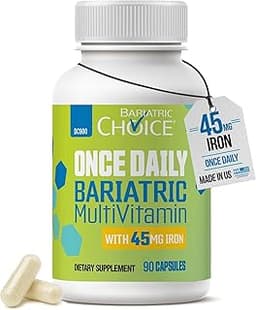
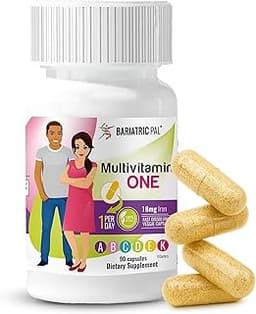
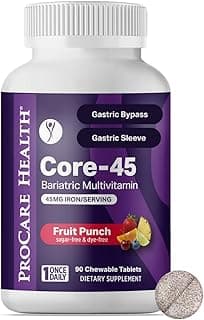
All prices based on 3-month (90-day) Amazon supply. Updated April 2026.
My practical take
The smartest way to avoid deficiency is to stay boring and consistent: take the vitamins, do the labs, and fix problems early.
After gastric bypass, gastric sleeve, or mini bypass, you do not get points for winging it. Most serious deficiency stories start with the same pattern: people feel fine, skip follow up, stop supplements, then months or years later their body catches up with them. I research bariatric vitamins weekly because the details matter, but the principle is simple. Prevention is easier than correction.
Ready to find your bariatric multivitamin?
We compared all 15 bariatric multivitamins, manufacturer-labeled for gastric bypass, sleeve, and mini-bypass patients, ranked by price per day. Updated monthly.
Compare All 15 Bariatric Multivitamins →Frequently Asked Questions
Can you get vitamin deficiencies after gastric sleeve?
Yes, you can get vitamin deficiencies after gastric sleeve, even though the risk is usually lower than after gastric bypass. Intake drops, food tolerance changes, and long term adherence to supplements still matters.
Is gastric bypass riskier than sleeve for deficiencies?
Yes, gastric bypass usually carries a higher deficiency risk than gastric sleeve because it reduces absorption more aggressively. Iron and B12 are two of the biggest concerns.
What is the most common vitamin deficiency after bariatric surgery?
Vitamin D is one of the most common deficiencies after bariatric surgery, with a long term prevalence of 35.8% in one meta analysis.
What B12 level is considered too low after bariatric surgery?
ASMBS lists serum B12 below 200 pg/mL as deficient and below 400 pg/mL as suboptimal. That is why many clinicians look beyond the lab flag and also consider symptoms and methylmalonic acid.
How do you prevent bariatric vitamin deficiency?
You prevent bariatric vitamin deficiency by taking bariatric specific supplements consistently and tracking labs long term. Surgery is not the end of follow up. It is the start of a lifelong maintenance plan.
Related Articles
Gastric Bypass vs Gastric Sleeve Vitamins
Compare bypass and sleeve vitamin needs side by side.
Read →B12 Deficiency After Bariatric Surgery
How B12 deficiency develops silently and how to prevent it.
Read →When to Start Vitamins After Bariatric Surgery
The right form, timing, and routine from day one after surgery.
Read →Looking for surgery-specific guides?
This site covers every WLS patient. If you want content tuned to one surgery type, the Dutch Goose network has two dedicated sites.